I’ve never minded being alone in the backcountry, but there is a difference between solitude and realizing the trail has quietly left you behind.
A Trail That Disappeared
A few months ago, I was out on a solo research hike in Glacier National Park, checking wildflower plots along a lesser used route. The beginning felt easy. I moved slowly, noting blooms, soil moisture, and the way the meadow grasses moved in short little waves. It was the kind of work that makes me feel useful and quiet at the same time.

When the Ridge Started Looping
Then the path began to thin. Heavy brush closed in around my boots, and I had to push through sections that barely looked like a trail at all. I kept telling myself I was still on course, but the ridge began to feel familiar in the wrong way. After a while, I realized I had circled the same rocky slope twice. The light was dropping, and my thoughts went straight to Oliver waiting back at the station with my neighbor. That thought made my chest tighten.
Stop, Breathe, Look Up
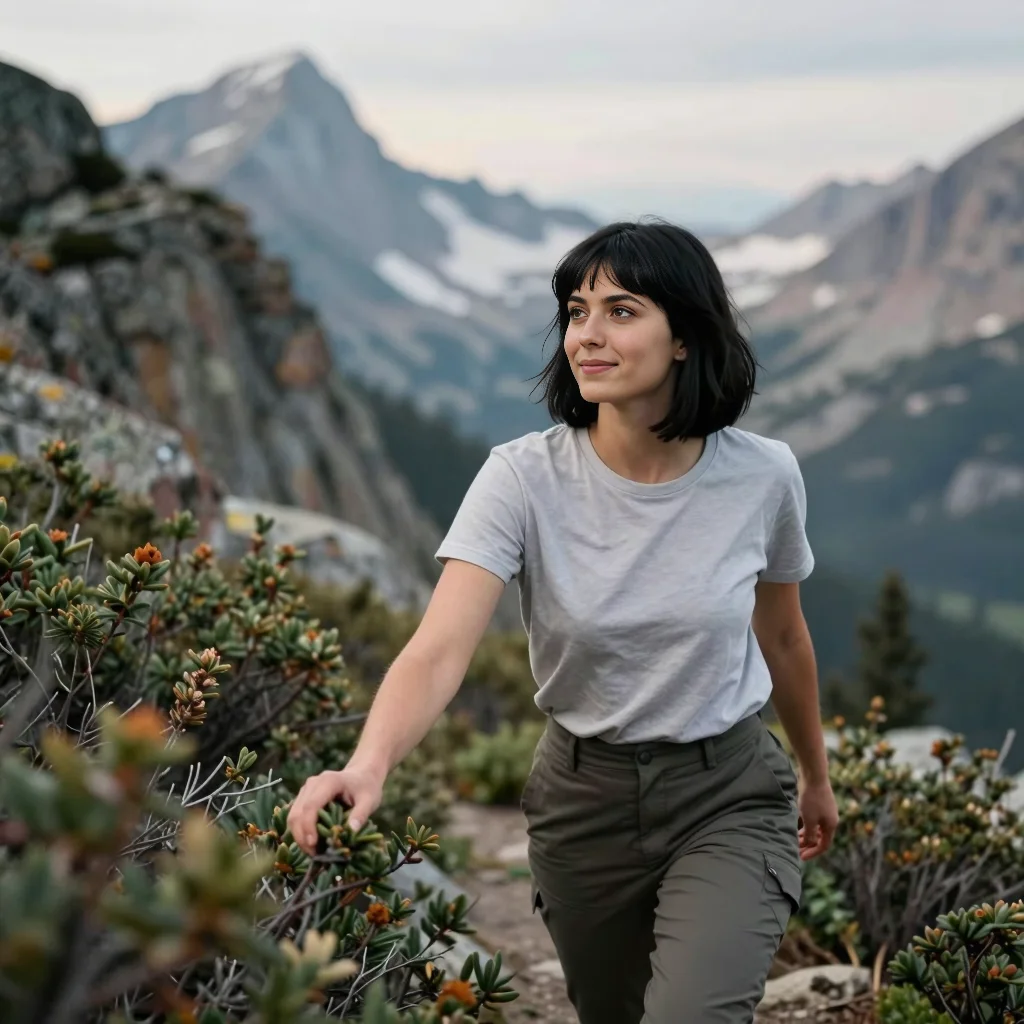
I made myself stop. Panic is loud, and it makes you want to move faster, but moving faster is not always moving smarter. I took a breath, looked at the sun, and picked out a couple of peaks I recognized. I did not need dramatic hero energy. I just needed enough calm to make one good decision. 🙂
Following Water Back
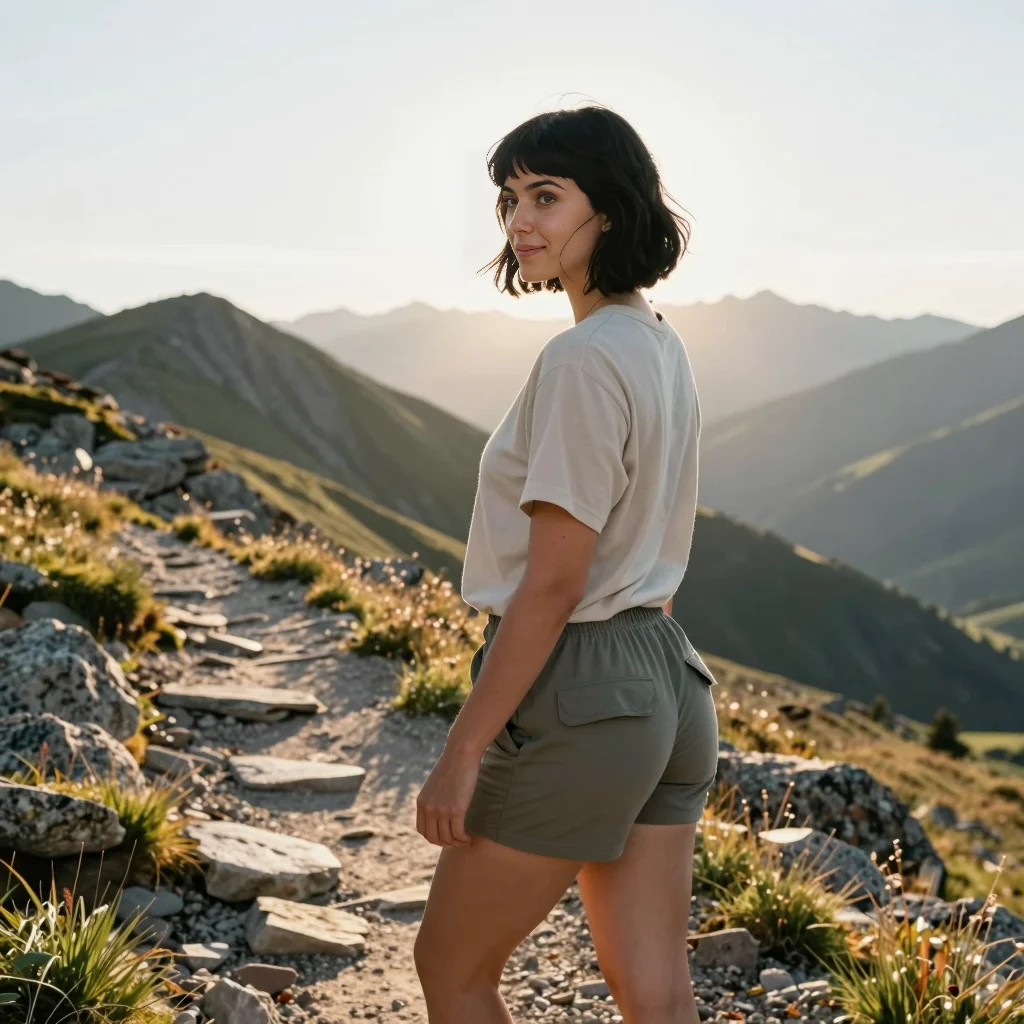
I cut downhill in a straight line until I found a creek I knew tied into the main trail. Water has a way of leading you somewhere when you listen. The walk out was not easy, but it felt steadier. Every step sounded like a small promise: you are capable, you are paying attention, you are going home. By the time I reached the trail, I was tired, scratched up, and grateful.
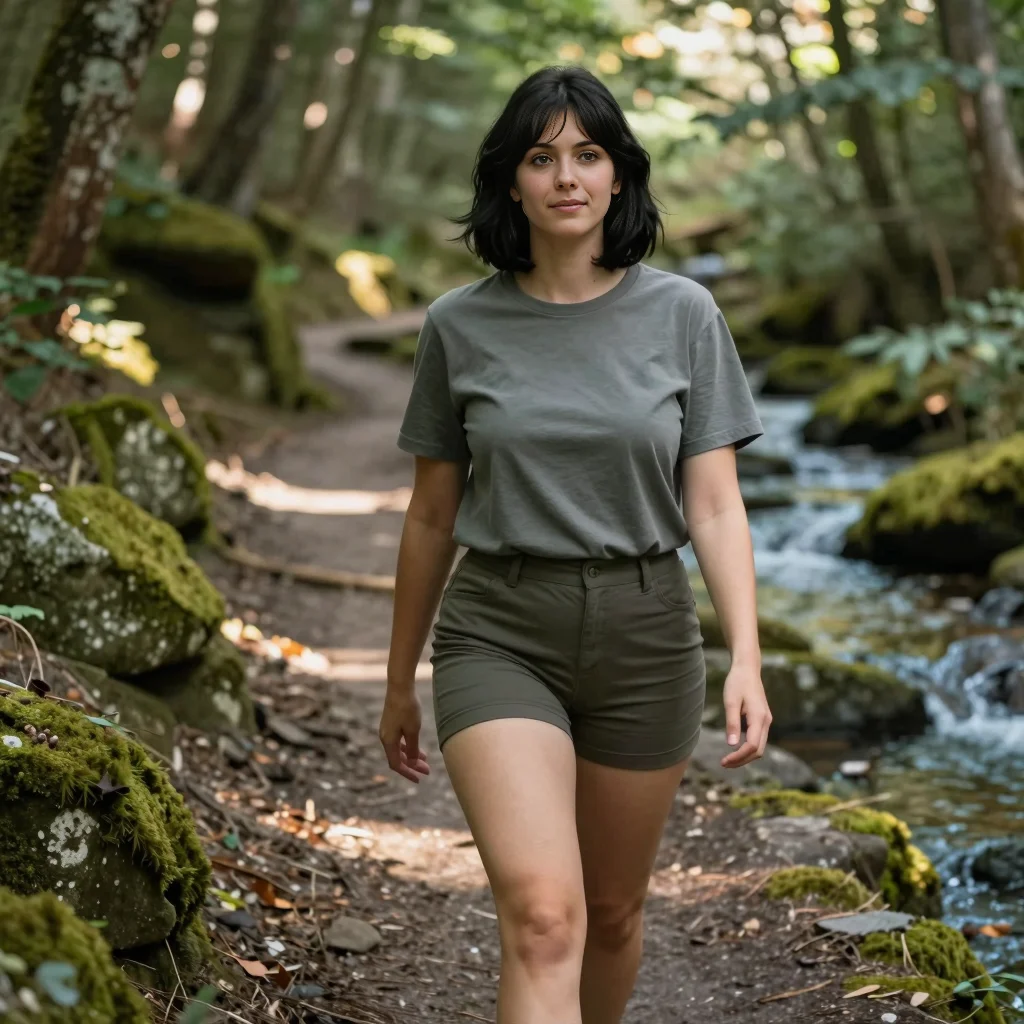
That day reminded me that the outdoors does not ask us to be perfect. It asks us to notice, slow down, and trust what we know. And sometimes it asks us to get a little lost so we remember how to find our way back.