Morning on the Hoh River Trail
Last month I was out near the Hoh River trail, following signs of a black bear family. I had fresh scat, claw marks on cedar bark, and the kind of quiet focus that makes field work feel meaningful. My mind was on the data and on getting home to Evelyn before bedtime. The forest was damp, green, and full of small sounds. 🙂
Then the fog came in. It did not arrive slowly. It moved through the trees like a tide, and within minutes the trail markers were hard to see. Wooden posts faded. The path I thought I knew became uncertain. I stopped and reminded myself that panic wastes energy. The land was not trying to trap me. It was simply being itself.
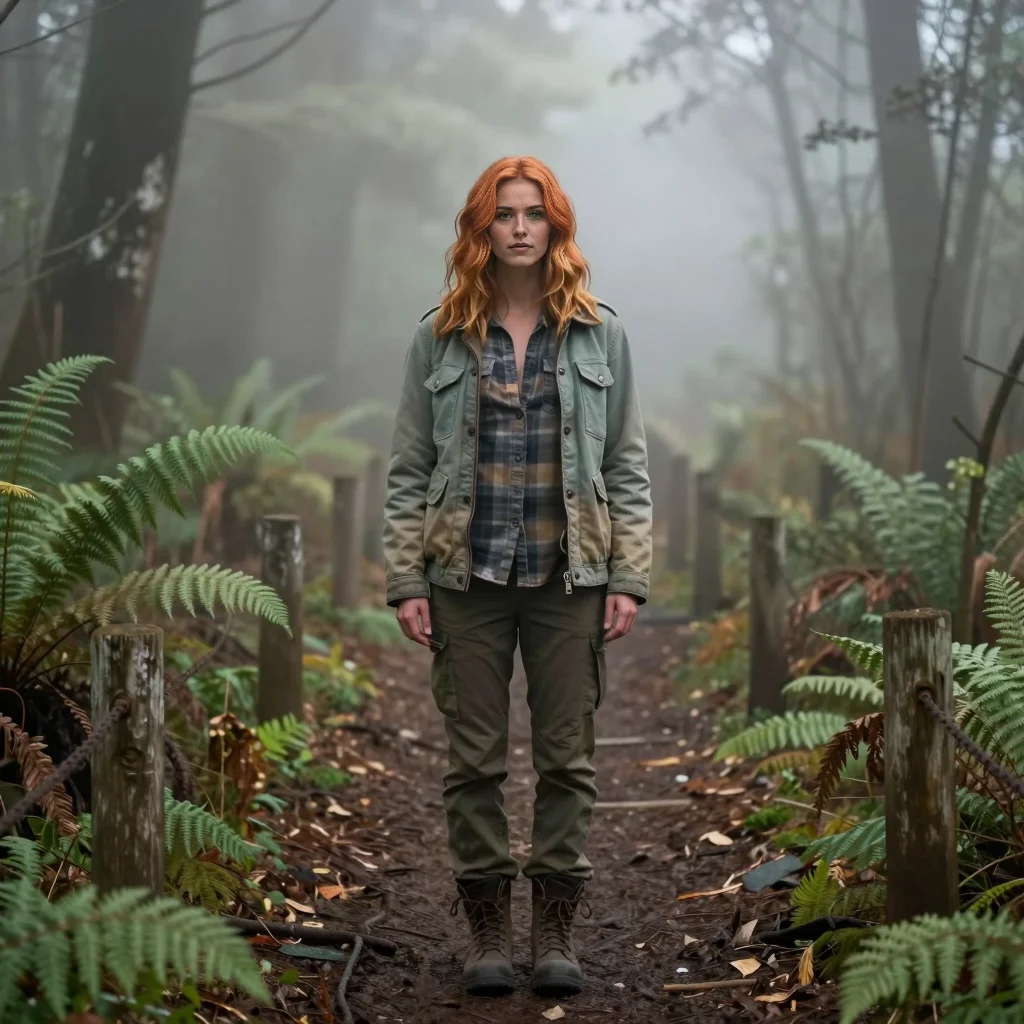
Slowing Down to Read the Forest
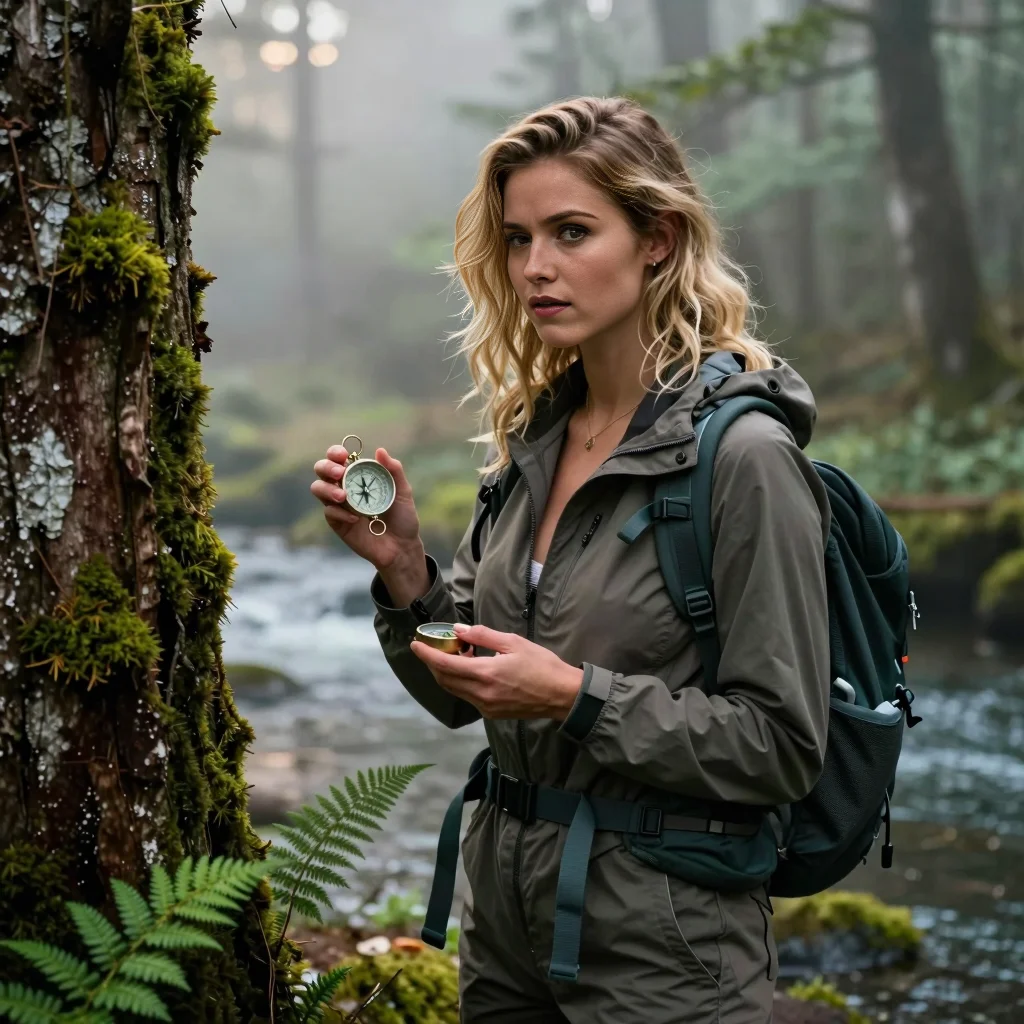
I took a breath and looked for what I could trust. My compass was the first tool I reached for. I checked the bearing I had noted before the fog thickened. Then I studied the trees. Moss often grows heavier on the north side of trunks in these wet forests, though I never rely on one sign alone. I compared the moss, the slope, and the way the ground dipped toward water.
I listened too. The Hoh River has a low steady voice once you learn to hear it under wind and dripping leaves. I moved slowly, marking my direction in my head and keeping my steps controlled. Being lost is often less about the place and more about losing your own rhythm.
What the Bear Family Taught Me
I never saw the bear family that day, and that was fine. The signs were enough to remind me that the forest has its own schedule. As a wildlife biologist, I spend a lot of time observing animals, but the land also observes me. It asks whether I am patient, prepared, and honest with myself.
After a couple of hours, I heard the river more clearly and found familiar ground just before dark. I was tired, damp, and grateful. When I got home, Evelyn ran to meet me, and I held her a little longer than usual. I did not need to tell her every detail. I only knew I had been given another lesson in respect. 🌲
Respect Is a Field Skill
People sometimes ask what the most important piece of gear is. I say calm attention. A compass helps. Knowledge of moss, water, and terrain helps. But the real skill is deciding to slow down before fear makes your choices smaller. The Olympic Peninsula is beautiful, but it is not a place to rush. I am glad I came out of that fog with my notes, my respect, and a deeper love for this wild work.