An Early Start
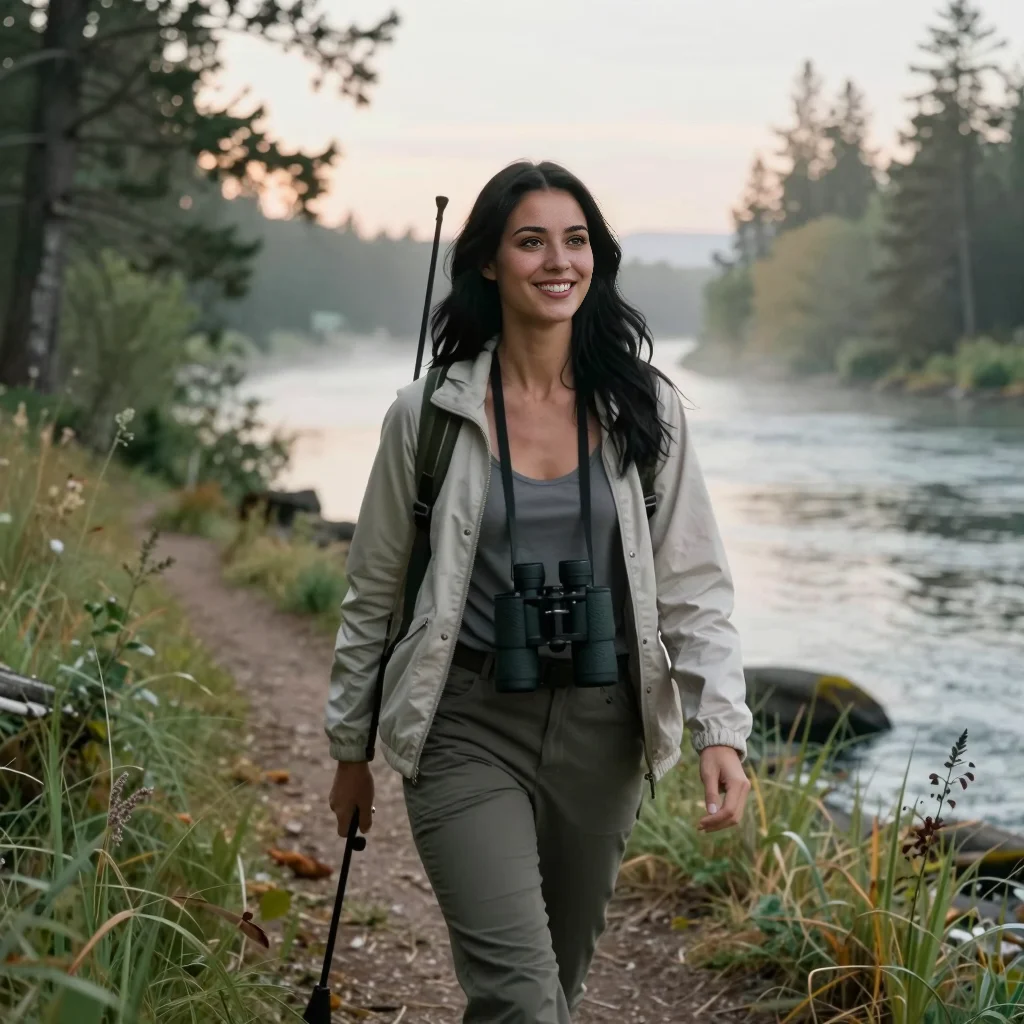
I still remember the morning I wandered off the trail. I left our lakeshore campsite while Noah and Alexander were still asleep in their sleeping bags, and I tried not to make a sound as I packed my small rod, a notebook, and my binoculars. The air over the Columbia River was cool, and the grass was silver with dew. I thought I would check a few quiet fishing spots, watch the birds moving over the water, and be back before the coffee pot boiled dry. 🙂
A Wrong Turn
The path I chose was one I had walked before, but winter storms had dropped branches across it, and ferns had grown thick along the edges. I stepped around a fallen cedar and kept following what looked like a boot path. It felt right for a while. Then the slope changed, the trees crowded closer, and the familiar ridge disappeared. I stood very still and realized I could not see the lake, the trail marker, or the open hillside I usually used to guide me back.
Listening for the Land
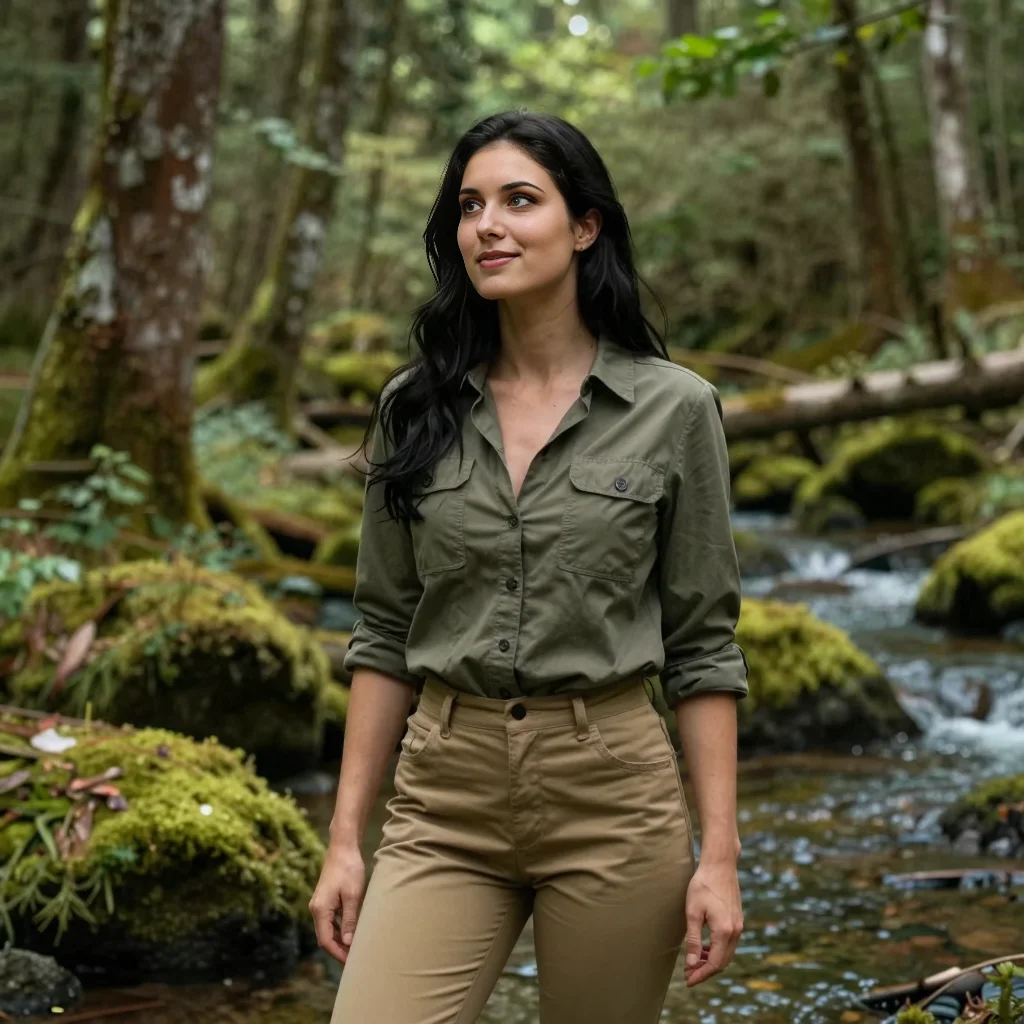
My first instinct was to hurry, but the woods do not reward rushing. I took a breath and thought about the river. Even when you cannot see it, water leaves a message in the land. I listened for the faint pull of moving water and noticed a damp line between the roots. I followed that small watercourse downhill, letting it bend me back toward what I knew. 🌿
Coming Home Slowly
After a while, I heard the river more clearly, and then I saw the ridge I had been looking for. From there, the shoreline opened up, and my little camp looked almost too peaceful to disturb. I was not angry at myself for getting lost. I felt taught. The land asks us to slow down, pay attention, and trust small signs instead of forcing our way forward. Now, when I guide people toward sustainable fishing or talk about caring for the river, I think of that morning. The river can be a map if we are quiet enough to hear it.